Heart Valve Disorders Tavi
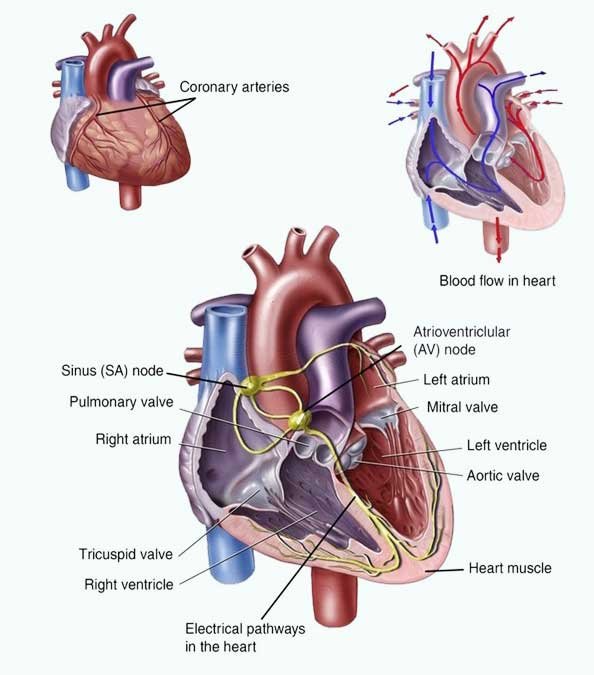
Your heart is made up of muscles and is about the size of your fist. The primary function of your heart is to provide oxygen rich blood to the entire heart . The heart performs this function by pumping blood through its four chambers along with the corresponding heart valves
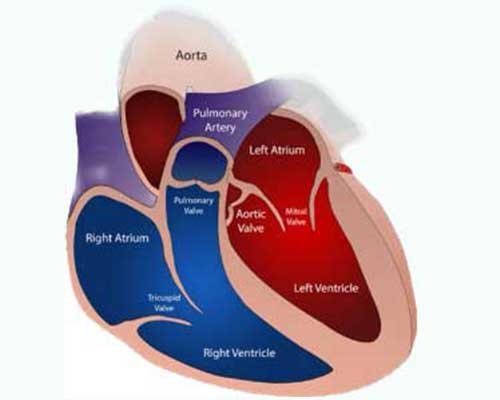
The four chambers are the left and right atria on the top of your heart and the left and right ventricles on the bottom.
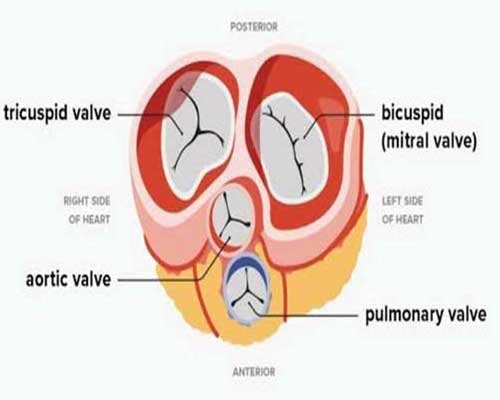
The Heart Consists Of Four Valves
- The Pulmonary valve and the Tricuspid Valve on the right side of the heart
- The Mitral valve and the Aortic valve on the left side of the heart
- They are made up of thin tissue and open and close easily
- How do they function – The valves open when the heart pumps to permit blood flow. . They quickly close to prevent the blood from flowing backward. Any problem with valve will make it difficult for the heart to pump blood in the required direction and quantity
The Human Heart
What Are Heart Valve Diseases
A heart valve disorder means that one or more of your heart valves does not work properly. It may either not open all the way or be unable to close completely
Common Disorder Of The Heart Valves
VALVULAR STENOSIS
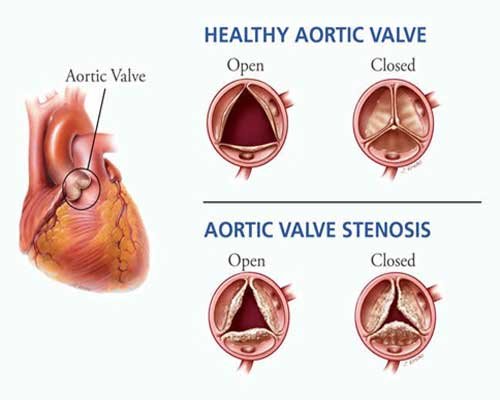
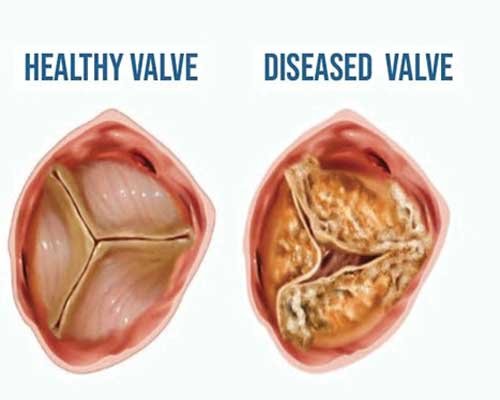
The valves possess thin tissue leaflets that open and close during heartbeat. Stenosis refers to the narrowing of the valve due to thickening, stiffening or fusion of these leaflets. Hence, the valve isn’t able to open completely, which means that not enough blood can flow through the valve. The heart then has to work harder to pump blood through the valve, and the body may suffer from a reduced supply of oxygen. If left untreated severe stenosis can progress to heart failure or even death.
Valvular Regurgitation
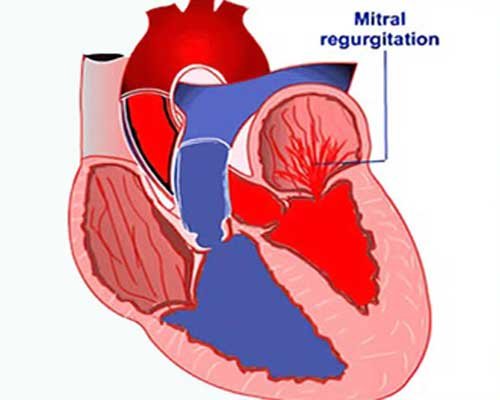
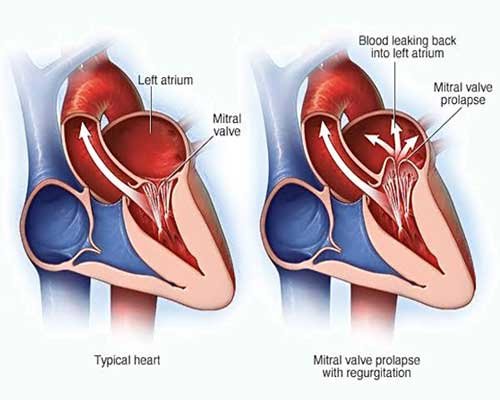
Also known as leaky valve, In this condition the valve becomes damaged or worn out and is unable to close properly thus blood begins to leak in the backward direction. This condition makes the heart to work with more effort to maintain normal blood circulation , thus limiting your daily activity.
What Is Aortic Valve Stenosis And Its Symptoms?
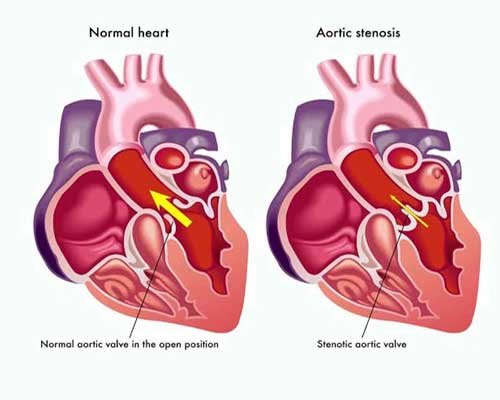
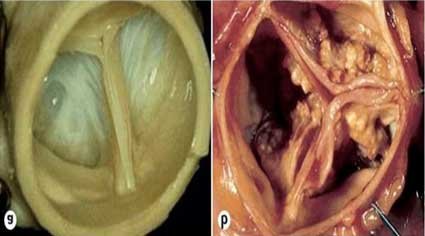
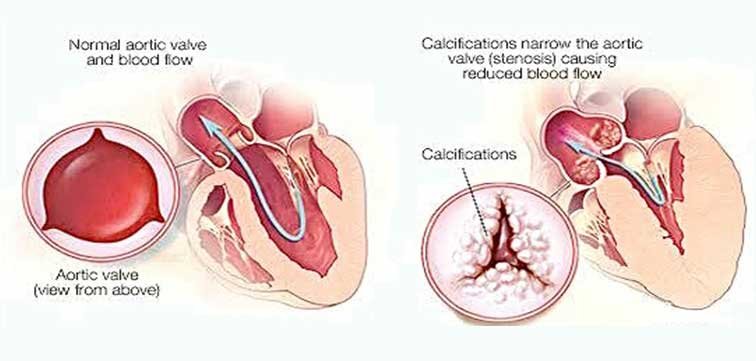
The aortic valve is located between the left lower chamber of the heart and the aorta which is the artery delivering blood from the heart to the entire body. Aortic valve stenosis develops when aortic valve gets narrowed and doesn’t open fully. Over time, aortic valve stenosis causes your heart’s left ventricle to pump harder to push blood through the narrowed aortic valve. The extra effort may cause the left ventricle to thicken, enlarge and weaken. If not addressed, this form of heart valve disease may eventually lead to heart failure.
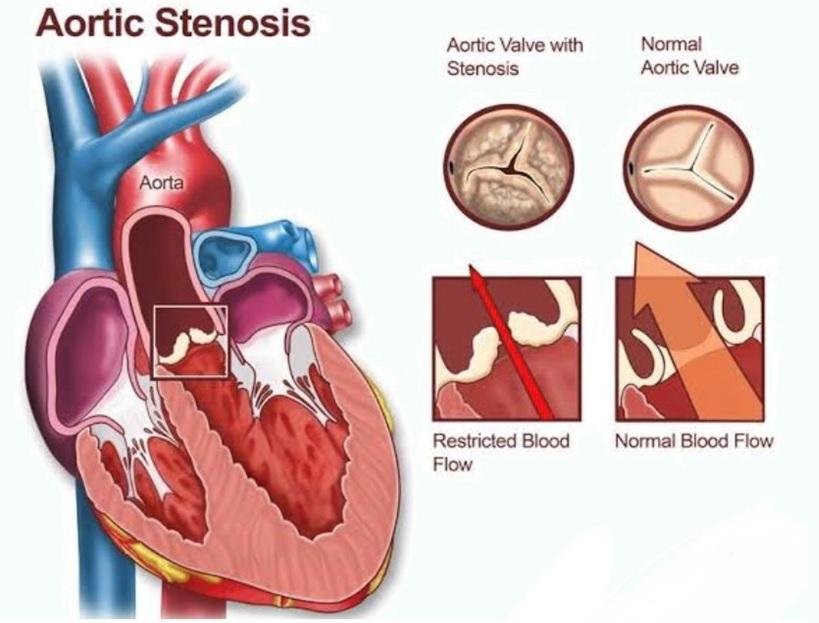
Causes of Aortic Valve Stenosis
- Calcium buildup on the aortic valve over time
- Wear and tear due to age
- Congenital heart conditions
- Damage from Infections such as Rheumatic fever
Symptoms Of Aortic Valve Stenosis
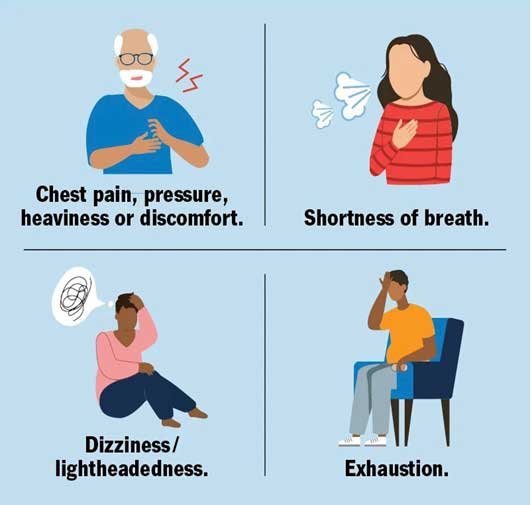
- Chest pain or tightness
- Dizziness
- Shortness of Breath
- Feeling Faint or Fainting
- Feeling Tired
- Irregular Heart Beat
- Heart Murmur
How do we diagnose Aortic Valve Stenosis
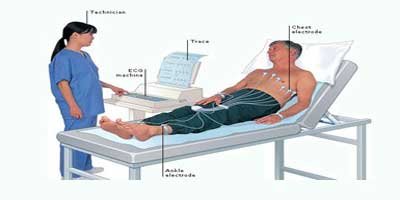
ECG – This painless test measures the electrical activity of the heart
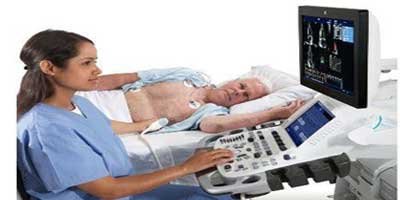
ECHOCARDIOGRAM – An echocardiogram uses sound waves to create images of the beating heart. It shows how blood flows through the heart and heart valves. It helps determine the severity of the stenosis
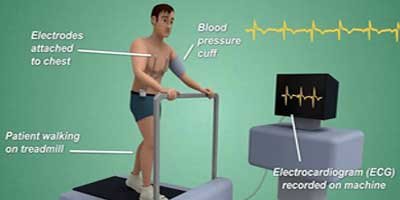
STRESS TEST – These tests involve walking on a treadmill or riding a stationary bike while the heart is monitored. They help to determine if the symptoms occur during physical activity
CT SCAN – Provides with a more detailed image of the heart and the aortic valve Blood tests.
- Talking to you about your symptoms
- Listen to your heart sounds
- Performing Tests
Treatment Options
Medication- may help relieve some symptoms of AS but do not treat severe AS or alter its progress. Balloon Aortic Valvuloplasty (BAV)- The heart doctor inserts a soft, thin tube (catheter) tipped with a balloon through a blood vessel to expand the valve opening.
However, this approach only provides temporary relief as the valve may narrow again. Surgical Aortic Valve replacement SAVR – The natural valve is removed and replaced during an open heart surgery.
Transcatheter Aortic Valve Implantation TAVI – The natural valve is removed and replaced during an operation without open heart surgery.
Tavi – What Is It
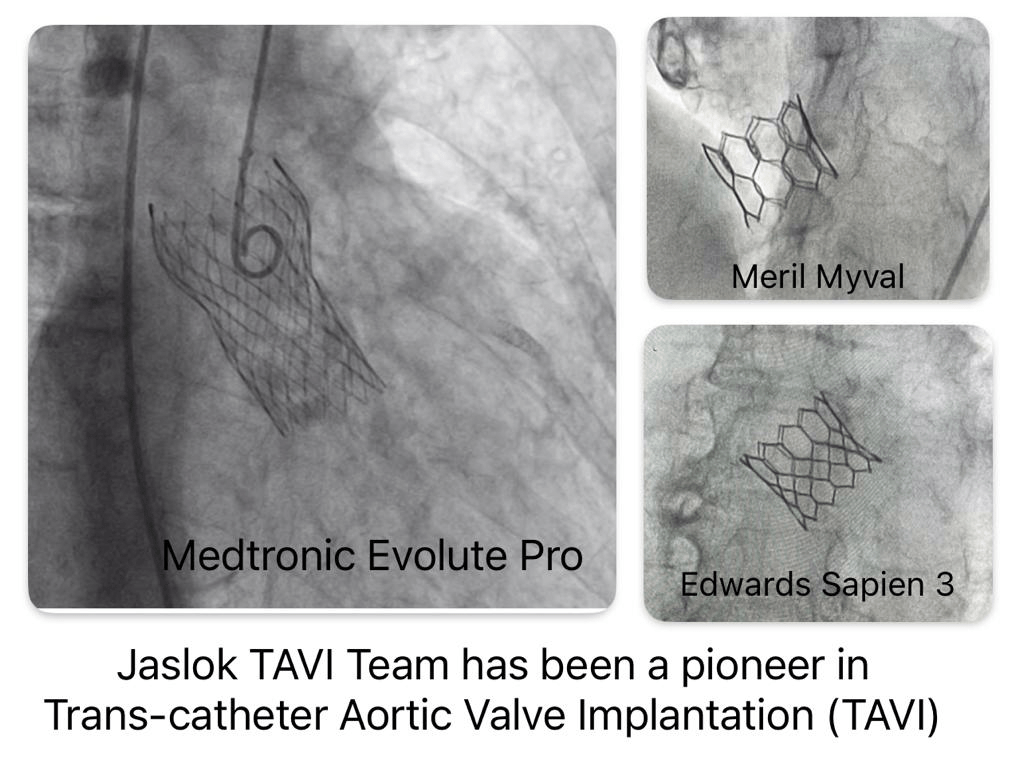
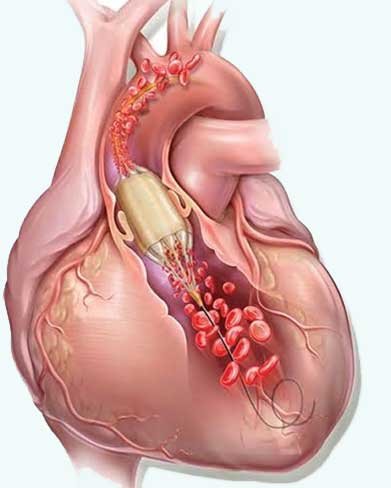
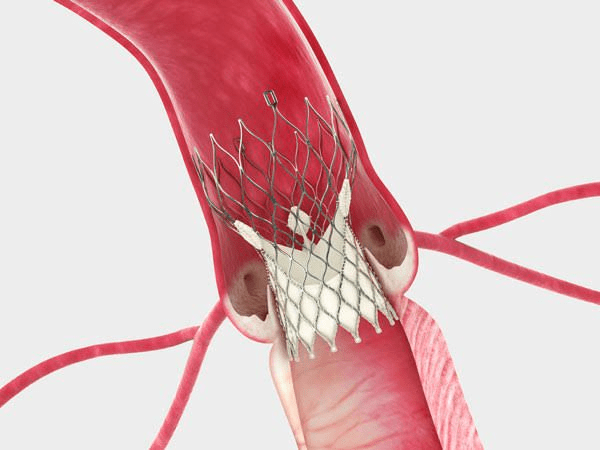
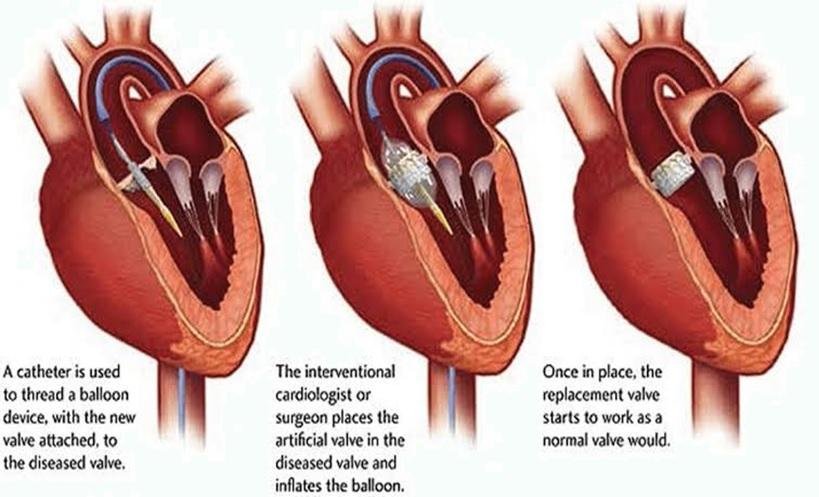
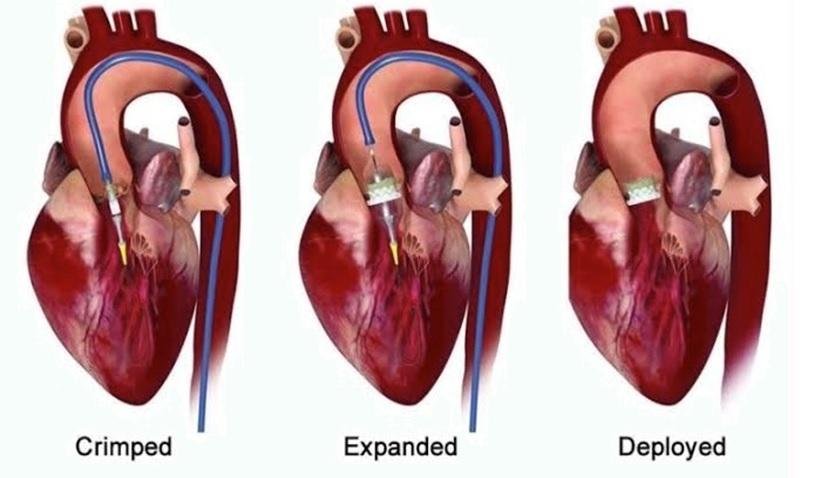
TAVR or TAVI is a minimally invasive procedure where a new valve is inserted without removing the old, damaged valve. The new valve is placed inside the diseased valve TAVI Device
The Evolute R Heart Valves.
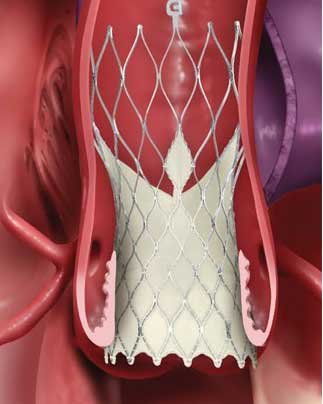
- A valve made from the heart tissue of a pigs.
- The valve tissue is held by a Nitinol (nickel-titanium) metal frames.
- Three valve leaflets control the flow of blood like your natural valve.
- After a Evolute R heart valve procedure, people usually start feeling better right away.
- This is because their hearts are now able to pump the
right amount of blood to the body. Some patients may take longer to feel better. - Most medical procedures have risks. The most serious risk of core valve procedure.
Death. -Serious Bleeding
Stroke. -Serious damage to the arteries
Before Procedure
Talk to your doctor about:
- When you can take your regular medications & whether you can take them before a TAVR procedure
- When you should stop eating or drinking before the procedure
- Any changes in the diet
- Any drug allergies that you have
- Dental health
Tavi Procedure
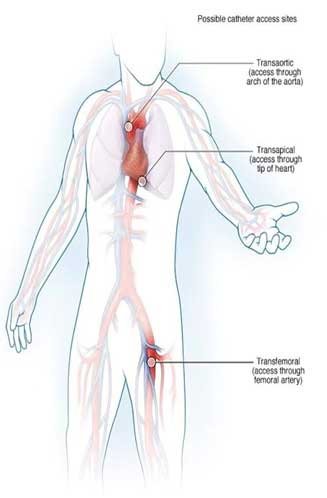
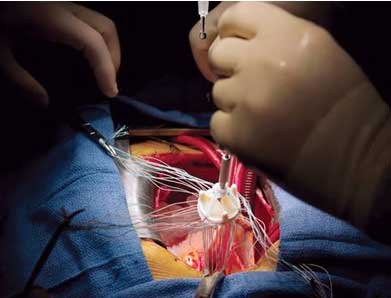
- In the Evolute R procedure, a thin, flexible tube (catheter) is inserted into one of several “access routes”
- An artery in your legs
- An artery in your neck
- A space between your ribs
- Throughout the procedure you will be under anesthesia or sedation.
- A temporary pacemaker will be inserted to allow your doctor to control your heart rate as needed.
Tavi Continuing Care And Cardiac Rehabilitation

When you leave the hospital, you will either go home or to a cardiac rehab facility. Exercise-based cardiac rehab, supervised by doctors and cardiac rehab specialists, may be part of your recovery plan.Your doctor will also provide instructions for your care.
- Use of medication including blood thinners
- Restriction on Activities
- Plan for follow up appointment
- Other special instructions (MRI , dentist)
Tavi Follow – Up And Visit
- Your heart valve checked at 30 days and 1 year after your procedure.
- Your doctor will set up regular follow up appointments with you to check how you’re doing with your new heart valve
The Evolute R Procedure Is Not Right For Everyone
The CoreValve Heart Valve Should NOT be Used for the Following People:
Patients who:
- Have an infection
- Have a mechanical valveCannot take blood thinning medicines
- Have a reaction to some metals
- Have a reaction to some imaging solutions
- If the Evolute R heart valve is used in these patients, it may not work right. This could make you feel sick or cause death.
- For some, the risks of the Evolute R procedure may outweigh the benefits.
Benefits Of Tavi Procedure