

CAVI
Cavi – What Is It And What To Expect?
- CAVI – caval valve implantation –Your doctor may recommend you CAVI when valve repair or other valve replacement procedures are not ideal for you.
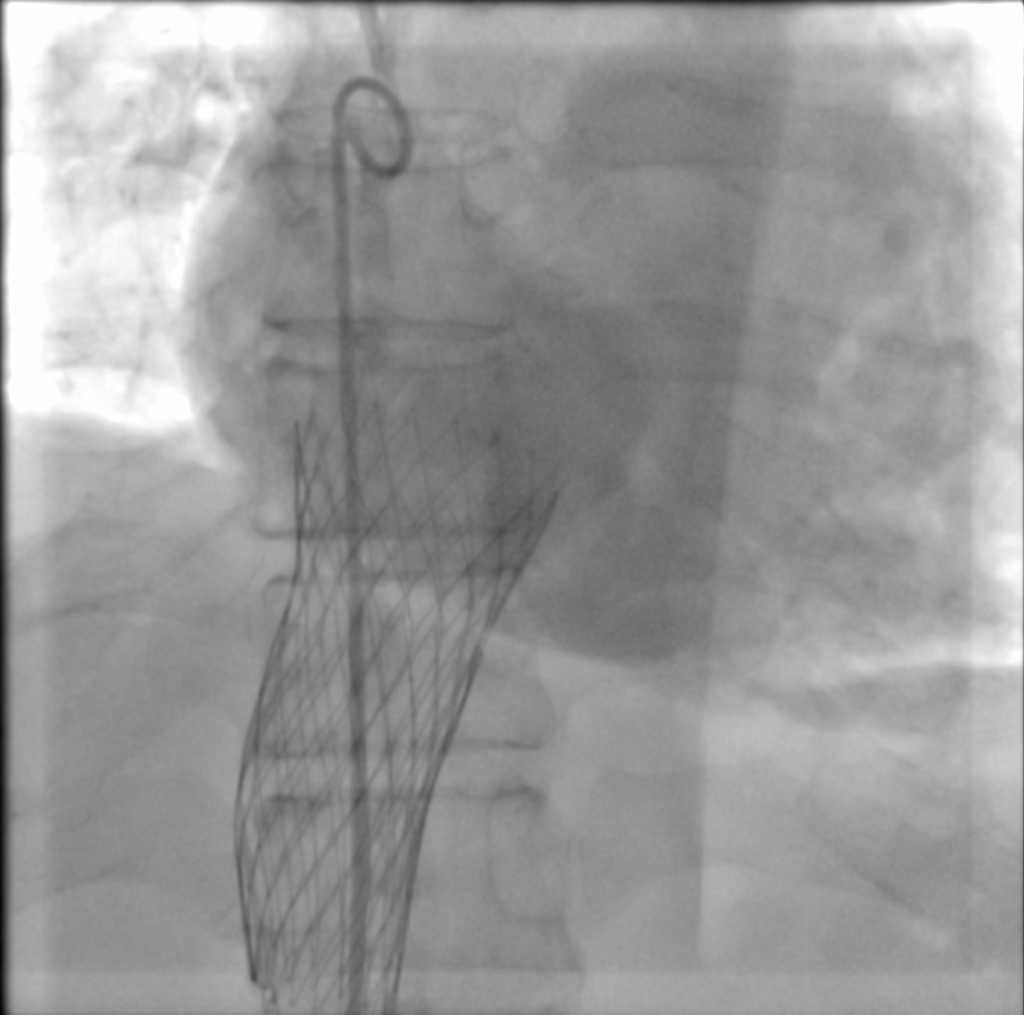
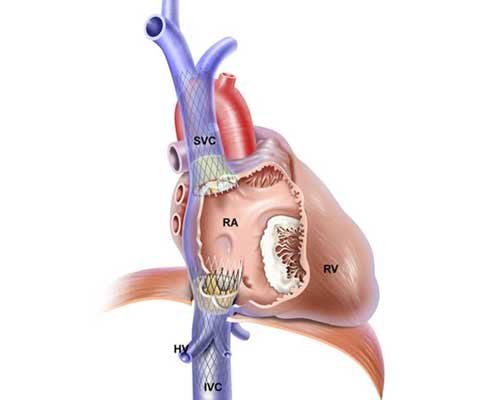
- Caval Valve Implantation CAVI – is a type of valve replacement therapy consisting of self inflating valves which are placed in either one or both of your major Veins.
- What are veins – blood vessels that drain oxygenated poor blood from your body and send it to your lungs to replace carbon dioxide with oxygen. There are two major veins that drain oxygen poor blood from your body and send it to your heart from where it enters the lung for oxygenation.
- Superior Vena Cava –A large vein that drains blood from the head , neck, arms and upper chest.
- Inferior Vena Cava – A large vein that drains blood from the lower part of your body that is from below your chest to your feet.
Cavi Procedure : What To Expect?
- Inject a local anesthetic into the skin at the insertion site
- Three insertion sites are required a) at the groin of right leg b ) at the groin of left leg c) right side of the neck.
- Insert a catheter which is a long , thin tube with a balloon onto the tip of your blood vessel and guide it to your Superior Vena Cava and Inferior Vena Cava.
- Using echocardiography and other imaging such as an angiogram, position the self expanding Nitinol Stents which is basically a metal alloy made up of Nickel and Titanium.
- These stents harbor prosthetic pericardial leaflets , one designed specifically for Superior Vena Cava and one for Inferior Vena Cava.
- Once placed , the catheter will be removed and all sites of insertion will be carefully attended to and dressed.

Before Procedure
- Your healthcare provider will ask you to sign a consent form for the procedure. The consent form will state the reason you are having the procedure, possible risks of the procedure, what happens during the procedure, and what you may expect afterward.
There is risk with every treatment or procedure. Talk to your healthcare provider for complete information about whether any of these risks apply to you:
✓Anesthesia problems
✓Bleeding
✓ Blood clots
✓Infection
✓Heart attack
✓Kidney problems
✓Death
- Tell your healthcare provider if you have any food, medicine or other allergies such as latex.
- Tell your provider if you have had kidney problems or an allergy to chemicals, such as contrast dye.
- Tell your healthcare provider if you are taking any medicines, including nonprescription drugs, herbal remedies, or recreational or illegal drugs.
- You will have a small tube (IV catheter) inserted into a vein in your hand or arm. This will allow medicine to be given directly into your blood and to give you fluids, if needed.
During The Procedure
- A cardiac (heart) monitor will be used to keep track of your heart rate and rhythm.
- Your blood oxygen level will be monitored by a sensor that is attached to your finger or earlobe.
- You may be given a sedative through your IV to help you to relax.
- While you are asleep you will have a tube in your throat to help you breathe and to make sure you are getting enough oxygen.
- The tube may be removed before you wake up after the surgery.
- You may have a small tube (catheter) placed into your bladder to drain and measure urine.
After The Procedure
- You will be in the intensive care unit for close monitoring.
- When you no longer need close monitoring, you will be moved to a regular hospital room.
- A cardiac (heart) monitor will be used to keep track of your heartbeat.
- You may remain in the hospital for a week or sometimes more depending upon your condition and test results.
- You will be checked often by nursing staff.
- There will be a dressing on the surgery site. The dressing will be checked and changed by your provider or the nursing staff as needed.
- The catheter placed into your bladder during surgery will be removed when you can urinate on your own.
- If a drain has been left in the wound, it will be checked and emptied regularly.
Cavi – Continuing Care And Rehabilitation
✓ Your doctor will also provide instructions for your care.
✓ Use of medication including blood thinners.
✓ Restriction on Activities.
✓ Plan for follow up appointment.
✓ Other special instructions (MRI , dentist).
Your doctor may prescribe medicine to:
✓ Use of medication including blood thinners.
✓ Restriction on Activities.
✓ Plan for follow up appointment.
✓ Other special instructions (MRI , dentist).
Your doctor may prescribe medicine to:
- Treat pain.
- Help control your heart’s rhythm.
- Treat or prevent an infection.
- Help prevent blood clots.
- Soften stool and reduce straining with a bowel movement.
- Your doctor may recommend other types of therapy to help relieve pain, other symptoms, or side effects of treatment.
Cavi – Follow Up And Visit
- Your doctor will set up regular follow up appointments with you to check how you’re doing and to detect any potential problems early in the course.
- Your doctor may also advice follow up tests such as Heart catheterization and CT in order to check the functioning of the implanted valves.
- Your follow up visits will typically be In one week after the procedure then one month followed by 3 months and 6 months.
Cavi Complications
- Major bleeding at the site of catheter insertion.
- Injury to the heart.
- Collection of blood due to bleeding between your brain and skull.
- Collection of blood due to bleeding in your kidneys.
- Formation of clot.
Cavi – Risks And Precautions
Patients who:
- Have an infection.
- Uncontrollable hypotension or hypertension – low or high blood pressure.
- Cannot take blood thinning medicines.
- Unfavorable reaction by the body (allergic reaction) to Have a reaction to some metals.
- If CAVI procedure is performed in these patients, it may not work right. This could make you feel sick or cause death. For some, the risks of the CAVI procedure outweigh the benefits.
Cavi – Advantages
- For patients with pacemaker- related severe Tricuspid Regurgitation who are not ideal candidates for any other repair and replacement surgery.
- For patients who have had a previously failed trans – catheter valve repair.
- For patients with severe Right Heart dysfunction.
- For patients who are severely impaired.
- General anaesthesia may not be mandatory.