(Transcatheter Mitral Valve Replacement) TMVR
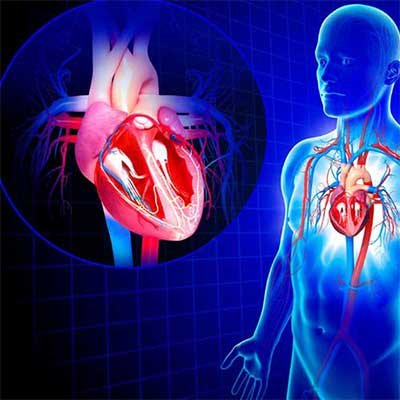
TMVR stands for Transcatheter Mitral Valve Replacement
It is a minimally invasive procedure used to treat mitral valve disease, specifically severe mitral valve stenosis or regurgitation, when the valve is not functioning properly. The mitral valve is located between the left atrium and the left ventricle of the heart.
It ensures that blood flows in one direction from the atrium to the ventricle during the heart pumping cycle. When the mitral valve becomes stenotic (narrowed) or regurgitant (leaky), it can lead to symptoms such asshortness of breath, fatigue, and heart failure.
What is TMVR
TMVR is a catheter-based procedure that repairs or replaces the mitral valve without the need for invasive surgery. During the procedure, a specialized catheter is guided through a blood vessel to the heart, where repair devices or materials are deployed to correct the malfunctioning valve.The new prosthetic valve is typically made of biological materials or a combination of metal and synthetic materials.
Benefits of TMVR
1. Minimally invasive approach: TMVR eliminates the need for open-heart surgery, resulting in smaller incisions, reduced pain, and a quicker recovery compared to traditional surgery.
2. Improved outcomes: TMVR has shown promising results in reducing mitral valve regurgitation, improving heart function, and alleviating symptoms such as shortness of breath and fatigue.
3. Suitable for high-risk patients: TMVR is particularly beneficial for patients who are considered high-risk candidates for traditional surgery or have contraindications for surgery, offering them a viable treatment option

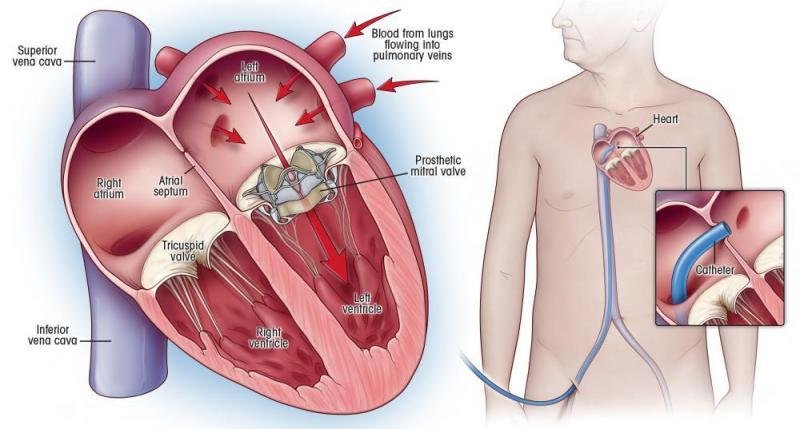
TMVR PROCEDURE
During the TMVR procedure, a catheter is inserted into a blood vessel, usually in the leg, and equipped with a replacement mitral valve is guided to the heart. The new valve is positioned and deployed within the malfunctioning mitral valve using imaging guidance, such as echocardiography or fluoroscopy. The new valve takes over the function of the diseased valve, allowing for improved blood flow and alleviation of symptoms.
Patient Selection and Care
Each patient suitability for TMVR is evaluated on a case-by-case basis, considering factors such as the severity of the valve disease, anatomy, and overall health. Specialized interventional cardiologists and cardiac teams including cardiologists, cardiac surgeons, and imaging specialists perform these procedures in dedicated cardiac centers, ensuring comprehensive patient care. The specific details of the TMVR procedure may vary depending on the patient individual circumstances and the type of prosthetic valve used.